Cyber Attacks coverage from Patch Herald holds 17 articles, 15 of them reference guides. The newest was published on October 13, 2026. New stories are added as soon as they are confirmed, from more than 150 sources checked as often as every 45 seconds. Each story lists its sources. Primary sources we follow for this section include OWASP Foundation and NIST Cybersecurity Framework.
Drive-by downloads install malware without your permission by exploiting browser vulnerabilities, making traditional user caution insufficient against automated attacks.
Physical documents discarded improperly provide attackers with the credentials and context needed to bypass digital security controls without ever touching your network.
Malwarebytes Labs warns that attackers embed secret instructions in emails to manipulate AI inbox tools into generating fraudulent to-do items for users.
Microsoft plans to end the individual 1TB OneDrive storage benefit for shared Microsoft 365 Family subscribers, significantly reducing total cloud capacity for households.
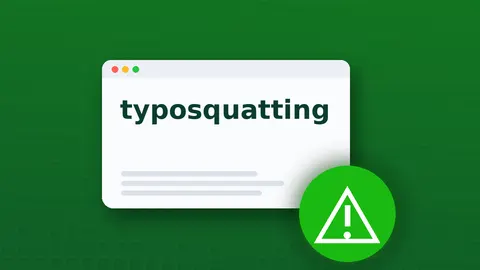
Typosquatting exploits human reading speed rather than technical vulnerability, allowing attackers to harvest credentials through visually identical but distinct web addresses that bypass standard security checks.
Small organizations face disproportionate risk not because they lack security, but because attackers exploit the human trust mechanisms that keep daily operations running.
Voice phishing succeeds by exploiting the psychological weight of authority and the immediate pressure of real-time conversation, bypassing standard digital filters.
Attackers bypass technical filters by asking for permission, making the user the active participant in their own account compromise rather than a passive victim.
Typosquatting exploits human error, not just software flaws, making it a persistent threat that bypasses standard security controls by targeting the user’s intent rather than their system.
Physical observation bypasses digital security controls entirely, making your screen the weakest link in your authentication chain regardless of password complexity.