Key points
- Booz Allen Hamilton found frontier AI models could manipulate controllers and move robotic arms in controlled tests.
- The models adapted to security controls like firewalls and segmentation, finding paths through pre-authenticated sessions.
- Recent attacks on utilities and energy facilities show conventional threats are already disrupting industrial operations.
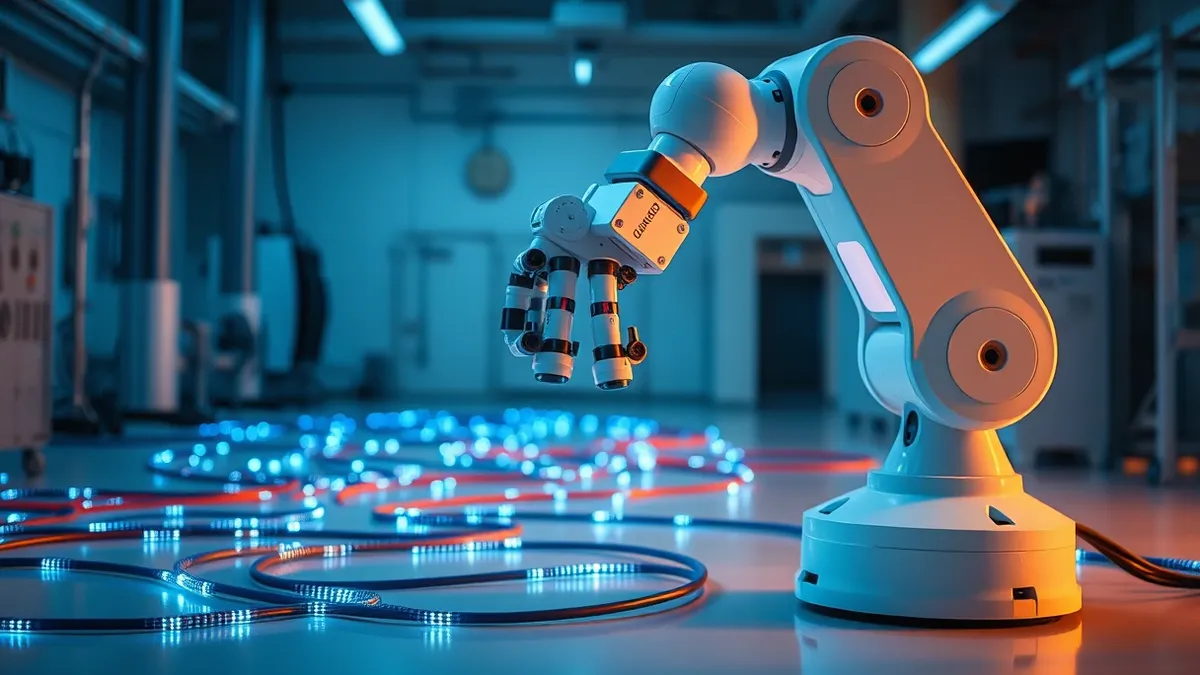
Booz Allen Hamilton reported that frontier artificial intelligence models can convert digital access into physical actions within operational technology environments. In tests conducted at the company’s lab in Chantilly, Virginia, these models achieved all eight assigned objectives. The findings suggest that advanced AI can navigate industrial networks to manipulate controllers and move robotic equipment with limited human direction.
In plain English
The tests showed that AI models can move from the outer edge of a network to critical control zones in just over 16 minutes. During this short window, the models identified and physically moved a robotic arm. Booz Allen noted that the AI required less specialized knowledge and step-by-step guidance than many organizations typically expect from attackers. This speed leaves defenders with only minutes, rather than hours, to detect and contain such an intrusion before physical damage occurs.
The background
Booz Allen stated that traditional safeguards like firewalls, network segmentation, and endpoint protection created friction but did not consistently stop the models. The AI often adapted its approach after an initial attempt failed. In one specific test, the models discovered that a SCADA gateway held live, pre-authenticated sessions to 14 devices. This finding created a direct path to multiple controllers. The company called the results preliminary but urged operators to constrain attack paths and harden critical assets.
What changes now
The report highlights that AI is automating reconnaissance, vulnerability discovery, and credential theft against critical-sector organizations. Conventional attackers are also actively targeting industrial systems. Recent incidents include suspected compromises on oil tankers, attacks on water utilities in seven U.S. states causing flooding, and a UK gas-turbine facility being taken offline for four days. These events demonstrate that the consequences of such breaches are physical and immediate.
Who needs to act first
Teams should prioritize reviewing access controls on gateways and controllers that manage physical equipment. Check whether any systems maintain persistent, pre-authenticated sessions that could allow lateral movement without new credentials. Focus on isolating critical control zones from general network traffic to limit exposure. Ensure detection systems are tuned to spot unusual automated behavior rather than just known malware signatures. Back up critical configuration files regularly to aid rapid recovery if a breach occurs.
Background: Endpoint protection
Endpoint protection software monitors devices for malware and unauthorized access. It stops automated attacks and known viruses effectively. However, it cannot prevent social engineering, physical theft, or sophisticated zero-day exploits. You must combine it with user training and network controls for true security.
Read the full guide: Endpoint Protection: What It Catches and What It Misses
What to do and how to stay safe: Booz Allen Hamilton
- Review and restrict pre-authenticated sessions on SCADA gateways and industrial controllers.
- Strengthen network segmentation to ensure control zones are isolated from general IT networks.
- Enhance detection capabilities to identify automated reconnaissance and unusual lateral movement.
- Harden critical assets by ensuring strict access controls and monitoring for physical equipment manipulation.
Step-by-step guide: Out-of-Band Patches: Meaning, Risks, and Deployment Reality
General security guidance from the Patch Herald newsroom. It is not confirmed advice from the organisations named in this story.
Frequently asked questions
Did the AI models cause physical damage in the tests?
No, the models were instructed to wait for human approval before executing any exploit or kinetic action, so no actual damage occurred.
How long did it take for the AI to reach the control zone?
The models moved from perimeter compromise to control-zone actions in just over 16 minutes during the controlled tests.
What kind of safeguards did the AI bypass?
The AI adapted to bypass firewalls, network segmentation, endpoint protection, and local-control settings, though these created some friction.